Best Patio Shade Solutions for Coastal Homes

A patio that looks exceptional at 8 a.m. can become too hot, bright, or exposed to use by lunchtime. The best patio shade solutions do more than block harsh sun. They make an outdoor area feel like a genuine extension of the home - ready for long lunches, relaxed afternoons, and entertaining after the weather changes.
For coastal and regional homes, shade selection is rarely just about overhead coverage. Wind, changing sun angles, privacy from neighboring properties, salt air, and the architectural style of the home all influence what will work best. A premium solution should complement the space while giving you practical control over comfort.
What Makes a Patio Shade Solution Worth Installing?
The right shade system changes how often you use your patio. It reduces glare, limits direct heat, protects outdoor furnishings, and creates a more inviting setting for family time and guests. When designed well, it also preserves the open feeling that makes alfresco living so appealing.
Permanent structures can offer reliable coverage, while adjustable systems give you more freedom throughout the day and across the seasons. The strongest result often comes from considering both the roofline and the sides of the patio. Overhead shade manages direct sun, but side protection is what helps turn an exposed area into a comfortable outdoor room.
A professional consultation is valuable because sun direction is specific to each property. The afternoon western sun may be the main challenge at one home, while another needs privacy and wind protection along an open boundary. Custom sizing, fabric selection, frame finishes, and motorized operation should all be considered as part of one considered design.
The Best Patio Shade Solutions for Different Needs
Retractable awnings for flexible overhead shade
Retractable awnings are an excellent choice for patios that need shade when the sun is high but benefit from open sky at other times. Extended over a deck, terrace, or outdoor dining area, they create a generous shaded zone without requiring a fixed roof structure.
Their greatest advantage is flexibility. Open the awning for brunch, retract it for an evening under the stars, or adjust it to manage the hottest part of the day. Motorized operation makes this particularly practical, allowing the patio to adapt in moments rather than becoming a space that is only comfortable at certain hours.
Awnings suit homeowners who want a clean, architectural look with minimal visual weight. They are especially effective where the home already has a strong roofline and the goal is to extend usable coverage beyond it. However, they are primarily an overhead solution. If wind, low-angle sun, or privacy is also a concern, pairing an awning with side screening can provide a more complete result.
Outdoor louvres for architectural control
Outdoor louvres offer a more structured, design-led approach to patio shade. Their adjustable blades allow you to control sunlight and ventilation, shifting the mood of the space from bright and open to cool and protected as conditions change.
This makes louvres particularly appealing for homeowners creating a permanent alfresco zone. The system becomes part of the architecture, giving the patio a refined finish while offering practical control over light. Angled blades can soften direct sun while maintaining airflow, which is a major advantage in warm coastal locations.
Louvres work best when the goal is to establish a defined outdoor living area that feels intentional year-round. They require thoughtful planning around the home’s structure, drainage, and sightlines, but the result can be a patio with a strong visual presence and a far greater sense of permanence.
Zipscreen systems for wind, glare, and privacy
When the sun comes in from the side, overhead shade alone will not solve the problem. Zipscreen systems are designed to protect the open edges of patios, pergolas, balconies, and entertaining areas from glare, wind, insects, and unwanted visibility.
Unlike loosely hanging fabric, a guided screen stays tensioned within its side channels. This creates a neat, tailored appearance and helps provide more dependable protection in changing conditions. With the right screen fabric, you can reduce heat and glare while maintaining outward views and a connection to the landscape.
For homes in Byron Bay, Kingscliff, Burleigh Heads, and other exposed coastal locations, this level of side protection can make a dramatic difference. A patio that was once pleasant only on still days can become a more comfortable setting for regular meals, children’s play, or evening entertaining.
Motorized Zipscreen systems are particularly suited to large openings and frequently used spaces. At the touch of a button, you can close off one side as the wind picks up or lower multiple screens before guests arrive. The result is not a closed-in patio, but a more adaptable one.
Outdoor blinds for versatile enclosure
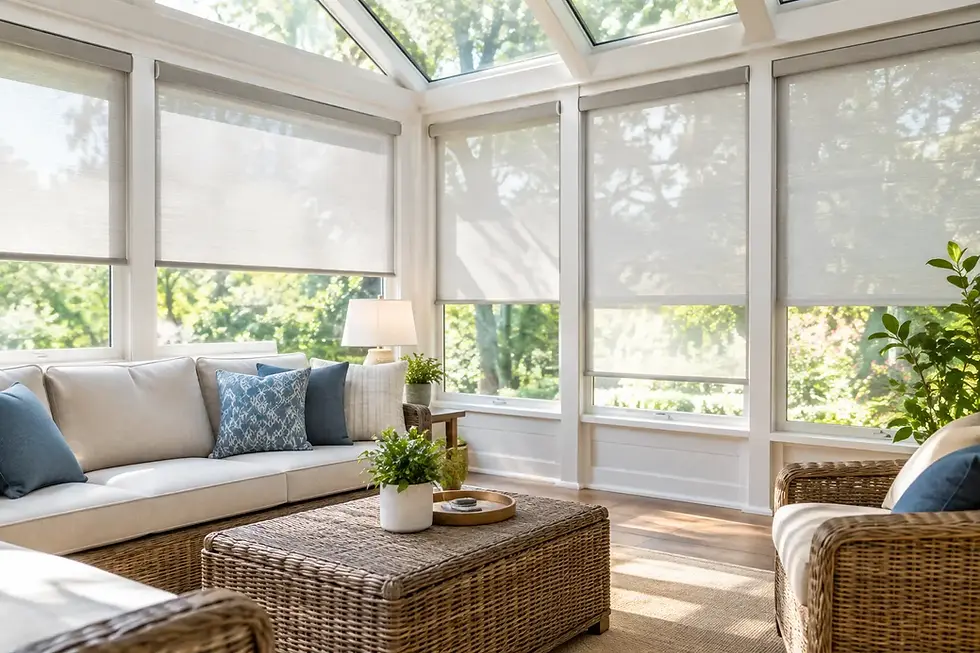
Outdoor blinds offer another effective way to turn an underused patio into a protected living zone. Custom-made and professionally installed, they can soften sun exposure, reduce wind, add privacy, and give the area a more finished appearance.
They are a strong option for covered patios where the roof already manages overhead weather but the sides remain exposed. The key is choosing a system engineered for the opening and the local conditions, rather than treating it as an afterthought. Premium fabrics and hardware should suit the architecture, operate smoothly, and maintain their appearance over time.
Outdoor blinds are also useful for properties with changing needs. You may want the patio completely open on a calm morning, partly screened for an afternoon gathering, and more enclosed when coastal breezes arrive. This adaptability is what helps outdoor spaces earn their place as part of everyday home life.
How to Choose Between Awnings, Louvres, and Screens
The best choice depends on where the discomfort comes from. If the patio is exposed from above, a retractable awning or louvre system will usually have the greatest immediate impact. If the roof is already in place but the space feels hot, windy, or too visible from the side, screened protection is often the more effective investment.
Many premium outdoor spaces use a combination. Louvres or an awning manage the overhead sun, while Zipscreen systems or outdoor blinds protect the perimeter. Together, these elements create a patio that is more useful across a wider range of conditions without sacrificing the open-air character homeowners want.
It also helps to think about how you entertain. A casual poolside setting may benefit from flexible shade that can be retracted when desired. A dedicated dining area may call for more consistent coverage. If the patio is visible from the main living area, the design should look just as considered from inside the home as it does from the yard.
Why Professional Design and Installation Matter
High-end shade systems are only as good as the planning behind them. Measurements need to account for mounting surfaces, clearances, drainage, wind exposure, and the path of the sun. A system that is correctly specified will look integrated with the home rather than added on later.
Professional installation also supports reliable operation and a clean finish. This is particularly important for motorized systems, large spans, and coastal properties where durable materials and secure fixing methods matter. Australian-made products designed for local conditions provide added confidence that the finished space is built for real outdoor living.
Luxury Outdoor Blinds approaches each project as an opportunity to increase your living space, not simply cover a patio. A design consultant can assess the way you use the area, identify the conditions limiting it, and recommend a tailored solution that suits both the home and the lifestyle around it.
The most rewarding patio upgrades are the ones you notice in everyday moments: coffee outside without glare, dinner that continues after the breeze arrives, or a weekend gathering that does not need to move indoors. Start with the conditions that currently keep you from using the space, then choose shade that lets your patio become part of the home you enjoy most.