
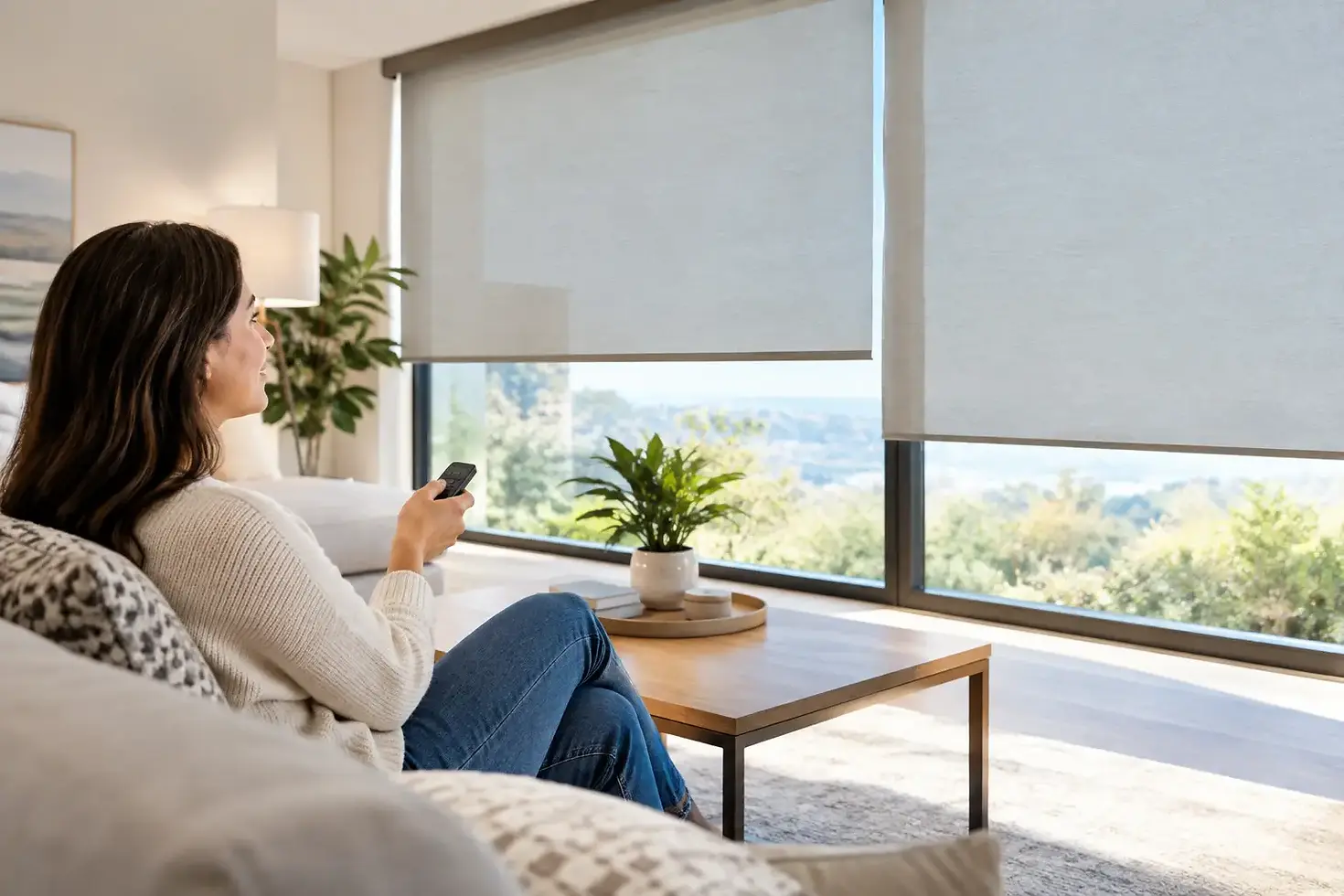
Smart Blinds for a More Comfortable Home

A west-facing living room can be beautiful at 9 a.m. and difficult to use by mid-afternoon. The glare shifts across the floor, the heat builds, and a room designed for relaxing suddenly needs constant adjustment. Smart blinds replace that daily compromise with responsive, motorized control that suits the way your home is actually lived in.
For design-conscious homeowners, the appeal is not simply pressing a button. It is creating interiors and entertaining areas that feel considered from morning through evening, while preserving the clean lines and tailored finish expected in a premium home. Whether you are renovating, building, or improving an established property, motorized window furnishings can bring comfort, privacy, and polish into one coordinated solution.
What Smart Blinds Change in Everyday Living
Smart blinds are motorized blinds operated by a wall switch, handheld remote, app, timer, or compatible home automation system. Instead of manually raising, lowering, or tilting each blind, you control the atmosphere of a room with a simple command or a scheduled setting.
That matters most in spaces where light and privacy change quickly. Bedrooms can be set for a darker start to the day. Living areas can soften harsh afternoon sun before it reaches furnishings and floors. A media room can be ready for a movie without interrupting the moment to adjust several windows by hand.
The benefit is especially noticeable in homes with large glass doors, high windows, or hard-to-reach openings. These architectural features bring in natural light and frame the surrounding landscape, but they can be difficult to manage with manual blinds. Motorization makes them practical without taking away from the design.
There is also a quieter benefit: consistency. When blinds are positioned at the right height each day, rooms look more composed from both inside and outside. Rather than an afterthought, window coverings become part of the home’s visual rhythm.
Smart Blinds Are Not One-Size-Fits-All
The right system depends on the room, window orientation, fabric selection, and how you want the space to function. A premium result comes from matching those details rather than choosing technology first.
Light control and privacy need different fabrics
A translucent sunscreen fabric can reduce glare and daytime heat while retaining an outlook, making it well suited to living rooms, kitchens, and spaces facing a garden or coastal view. Blockout fabrics provide stronger privacy and darkness, often preferred in bedrooms, media rooms, and street-facing areas.
Many homeowners choose layered solutions. A sunscreen blind can remain down during the day for filtered light and privacy, while a blockout blind is used at night. With motorization, these layers are easy to operate independently, so the room can shift from bright and open to private and restful without effort.
The key trade-off is visibility. A more open weave preserves more of the view but provides less daytime screening. A tighter weave offers greater solar protection and privacy but can reduce clarity to the outside. A design consultation helps balance those priorities for each elevation of the home.
The motor choice should suit the application
Battery-powered motors can be an attractive option where wiring access is limited, particularly in completed homes. Hardwired motors may be preferable for new builds, major renovations, or large installations where charging is not desirable. Both can deliver refined control when specified correctly.
The best choice also depends on blind size, weight, use frequency, and the control system you want. Larger blinds and wide openings require careful product selection to maintain smooth movement and a clean finish. This is where professional measuring is essential. The wrong blind on the wrong opening can look acceptable on day one but perform poorly over time.
Automation should feel useful, not complicated
Schedules are often the feature homeowners use most. A blind can lower during the hottest part of the afternoon, rise at a preferred morning time, or close at dusk for privacy. These simple routines make a home feel more responsive without adding another task to the day.
App and voice control can be valuable, particularly for larger homes or properties used for holidays and entertaining. But advanced integration is not essential for every project. A straightforward remote or wall switch may be the right answer when ease of use is the priority. The goal is dependable control that everyone in the household will use confidently.
Where Motorized Blinds Make the Greatest Difference
Smart blinds deliver the strongest lifestyle return in rooms that are used often or are difficult to manage manually. In a main living space, they reduce glare across screens, protect interiors from intense sunlight, and create a more comfortable setting for long lunches or quiet afternoons.
Bedrooms benefit from predictable privacy and light control. A scheduled morning setting can gently open the room, while blockout blinds can close at night without walking from window to window. In homes near neighboring properties, this simple routine can make a significant difference to how private the space feels.
In open-plan homes, motorized blinds help define the changing roles of a room. The same area can be bright for breakfast, shaded for work, and softly screened for dinner. This flexibility is particularly valuable where expansive glazing is central to the design.
For patios, alfresco rooms, and covered entertaining zones, it is worth looking beyond internal blinds alone. Exterior motorized screens, including premium Zipscreen systems, can reduce sun, wind, insects, and visual exposure at the edge of the home. Used alongside internal smart blinds, they create a more complete approach to comfort - one that helps bring indoor entertaining outdoors while protecting the spaces in between.
Design Matters as Much as Technology
A motorized blind should not look like a piece of equipment added after the room is finished. The fabric, cassette or headrail treatment, bracket placement, and control options all influence the final presentation.
Neutral fabrics can support an architectural interior without competing with finishes, while textured weaves add depth to coastal and contemporary homes. Darker tones can frame a view and reduce visible glare, although they may absorb more heat in certain applications. Lighter fabrics can make a room feel airy and reflect more light, but the right choice still depends on privacy needs and the amount of direct sun.
Installation details matter just as much. A blind that sits at the correct height and width offers better coverage and a more intentional appearance. Recess-fit and face-fit options each have their place, but they need to be assessed against window reveals, architraves, door clearances, and the desired level of light control.
This is why a measure-and-quote appointment is more valuable than selecting from a generic chart. A consultant can assess the direction of the sun, how the room is used, the practical limitations of the opening, and the look you want to achieve. The recommendation should feel tailored, not overengineered.
Why Professional Installation Protects the Investment
Premium blinds have moving components, carefully tensioned fabrics, and motors that need correct alignment. Professional installation helps ensure the blind travels evenly, sits cleanly when raised or lowered, and operates as intended from the first day.
It also reduces the risk of small issues becoming visible frustrations: uneven gaps, poorly placed controls, interference with door handles, or inadequate coverage at the edge of the window. For hardwired systems, coordination with electrical work is particularly important during a build or renovation.
Australian-made products are also worth considering for homes exposed to strong sun, coastal conditions, and regular use. Quality materials and precise manufacturing support a finish that continues to look appropriate in a high-end home, rather than becoming a short-term cosmetic fix.
Plan Smart Blinds Early in a Renovation or Build
Smart blinds can be added to completed homes, but planning early creates more options. During a renovation or new build, wiring can be considered before walls and ceilings are finished, and blind recesses can be incorporated where a minimal architectural look is desired.
Early planning also allows window furnishings to work with the wider interior scheme. Flooring, paint, joinery, window frames, and furniture all affect how a fabric reads in the room. Looking at those elements together avoids last-minute decisions that can compromise the final result.
For established homes in Byron Bay, Kingscliff, Burleigh Heads, Tweed Heads, Ballina, and surrounding coastal communities, a site visit is equally valuable. Sun exposure, prevailing weather, nearby homes, and the orientation of outdoor living areas can vary dramatically from one property to the next.
The best smart blind solution is the one you stop thinking about because it simply improves the room. When light, privacy, and comfort are managed beautifully in the background, your home is free to do what it was designed to do: make everyday living and entertaining feel more generous.


